National Science Olympiad Forum By SOF Olympiad Trainer - Page 655

User Forum

Subject :NSO    Class : Class 3

Ans 1: (Master Answer)

Class : Class 1
The correct answer is A.

Post Your Answer

Subject :NSO    Class : Class 6

Ans 1:

Class : Class 6
a is write

Ans 2:

Class : Class 9

Ans 3:

Class : Class 6
yes a is the correct answer

Ans 4:

Class : Class 10

Ans 5:

Class : Class 7
As far as I know, raining (precipitating) does not yield clouds. condensation does.

Ans 6:

Class : Class 9
Actually,water does not ''Precipitate'' to form clouds.As long as my memory tells me, water ''Condenses'' to form clouds.

Ans 7:

Class : Class 7
D is right too right

Post Your Answer

Subject :NSO    Class : Class 5

Post Your Answer

Subject :NSO    Class : Class 6

Ans 1:

Class : Class 6
correct answer is B

Post Your Answer

Subject :NSO    Class : Class 8

Ans 1:

Class : Class 8
Venus

Post Your Answer

Subject :NSO    Class : Class 7
Ans 1:

Class : Class 7
none of the options are correct.

Ans 2:

Class : Class 8

Ans 3:

Class : Class 8
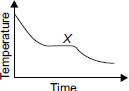
THAT DOESN'T MAKES SENSE

Ans 4:

Class : Class 7

Ans 5:

Class : Class 7

Ans 6:

Class : Class 10
Wrong question

Ans 7:

Class : Class 7

Ans 8:

Class : Class 8
Senseless question, wrong question and totally different solution. I am disappointed as there are many mistakes.

Ans 9:

Class : Class 9
It is meaningless

Ans 10:

Class : Class 5
wrong question

Ans 11:

Class : Class 8
Completely wrong image in the question, it makes no sense

Ans 12:

Class : Class 7
Wrong Question

Ans 13:

Class : Class 8
this is wrong . all the options are wrong .

Ans 14:

Class : Class 9
Absolutely Right question matches with the image in question

Ans 15:

Class : Class 10
None of the options are correct.

Ans 16:

Class : Class 9
wrong ques

Ans 17:

Class : Class 8
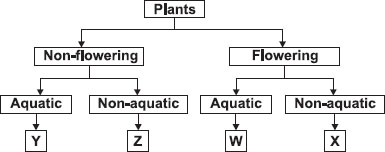
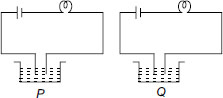
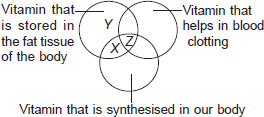
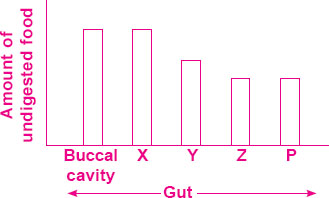
Firstly, the image itself is totally different from that of the options. None of the options actually fit the image. So, either there should be a "None of these" option or there should be a different image in which at least one option fits. I ask SOF to kindly make the needed changes.

Ans 18:

Class : Class 9
yes wrong ques

Ans 19:

Class : Class 8

Ans 20:

Class : Class 8
it is completely wrong

Ans 21:

Class : Class 8
This question is absolutely wrong

Ans 22:

Class : Class 9
Wrong question. NICE

Ans 23:

Class : Class 7
this is wrong

Post Your Answer

Subject :NSO    Class : Class 6

Ans 1:

Class : Class 6
Wood is a bad conductor of heat. This results in very slow heating of wood. This principle is used when we use wood utensils to cook food. I go by option (B).

Ans 2:

Class : Class 6
AN INSULATOR (C)

Post Your Answer

Subject :NSO    Class : Class 4

Ans 1:

Class : Class 6
Option D

Ans 2:

Class : Class 9

Ans 3:

Class : Class 4

Ans 4:

Class : Class 6
how can a plant release carbondioxide???

Ans 5:

Class : Class 4
D I guess,I am not sure

Ans 6:

Class : Class 4
plants can release carbon dioxide at night only tulsi plant does not release carbon dioxide

Post Your Answer

Subject :NSO    Class : Class 7

Ans 1:

Class : Class 9
also felt d but explanation provided above makes me feel c

Ans 2:

Class : Class 8
no it is c

Ans 3:

Class : Class 8
I THINK THE ANSWER IS C

Ans 4:

Class : Class 9

Ans 5:

Class : Class 7
I thought the silk is obtained from the cocoon

Ans 6:

Class : Class 7
the answer is d only in the cocoon stage they are heated in the hot water so that the reproducing caterpillar will die and it will be very easy to extract silk fiber from it.

Ans 7:

Class : Class 7

Ans 8:

Class : Class 7
OPTION C

Ans 9:

Class : Class 8
No, the answer is 'C' only. In pupa stage the silk fiber is only obtained, but actually it is produced by larva and in question it is asked which stage produces fiber. Hence, the answer is 'C".

Ans 10:

Class : Class 8
The answer is C as at that time of a Silkworms life it will produce silk. With that silk they will make a cacoon and then they will become a Moth. While it is a Pupa it does not have the ability to make Silk hence the answer is C

Ans 11:

Class : Class 9
it is c because the silk has already started getting produces when it is larva

Ans 12:

Class : Class 9
Ans C

Ans 13:

Class : Class 7
it must be c . at cocoon stage silk is already produced

Ans 14:

Class : Class 8
as larva produces and when it is fully produced it forms a cocoon

Ans 15:

Class : Class 10
really confusing ... the answer option d is correct in the sense that produces means extracting the silk or when it is ready to extracted by humans. but option c is correct when produces means that when larva , itself after the fourth moult stage produces silk.

Ans 16:

Class : Class 8
This is a trick question.. It says 'produced', not 'obtained'.. The larvae produce the silk fibre, then it is obtained from cocoon..

Ans 17:

Class : Class 9
Answer should be C ,as only larvae in the life cycle of moth produce silk fibres , pupa or cocoon does NOT make silk fibres . They only undergo change in stage IN the silk fibres. They do not have the ability to produce silk fibres !

Ans 18:

Class : Class 7
IT IS 'D' BECAUSE AT COCOON STAGE THE CATERPILLAR PRODUCES SILK FIBRES AND KNOTS AROUND IT AND COVERS HIMSELF.AFTER SOME TIME THE SILK FIBRES GETS HARDEN DUE TO THE GUMMY SUBSTANCE WHICH THE CATERPILLAR PRODUCES............IT IS CALLED "FIBROIN" WHICH IS MADE UP OF PROTEINS.ON HEATING THE COCOONS IN WATER THE SILK AGAIN BECOMES SOFT AND IS EXTRACTED FROM COCOONS........THIS PROCESS IS CALLED "REELING OF SILK"

Ans 19:

Class : Class 8
answer is c because in the pupa stage the silk is already produced and in the larvae stage it produces silk when it is ready to go in the next stage of its life

Ans 20:

Class : Class 7
admin please answer

Ans 21:

Class : Class 7
ans:c,you may think d,but only in larval stage it produce silk in option d it is in a cocoon stage it cannot produce silk

Post Your Answer

Subject :NSO    Class : Class 6

Ans 1:

Class : Class 7
CEZY PZY LEMONS SQUEEZY PIZA CHEEZY

Ans 2:

Class : Class 6
C

Ans 3:

Class : Class 6
@Aditya Kumble Same

Ans 4:

Class : Class 7
how dumb am i thought c wrote d

Ans 5:

Class : Class 8
c

Post Your Answer